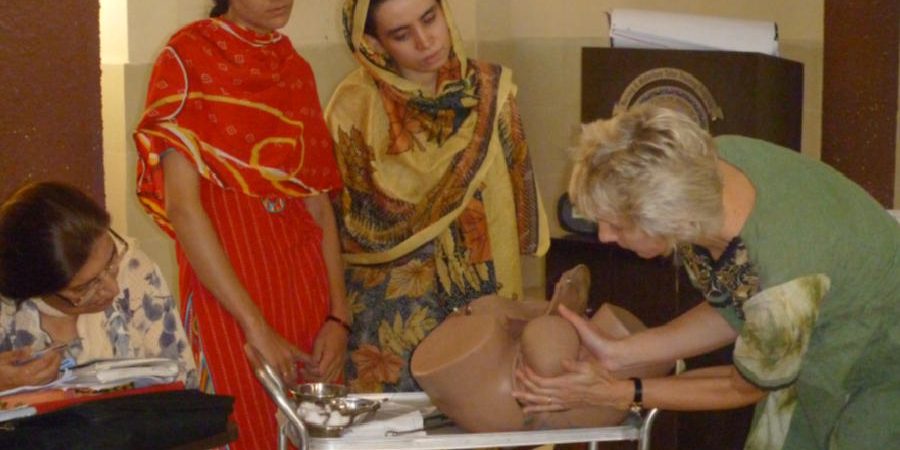
Primary healthcare is the foundation of a strong and equitable health system. For undeserved communities—where distance, cost, and limited resources often stand between families and essential services—accessible primary care can be truly life‑saving. It ensures that people receive timely treatment, preventive services, and the support they need to live healthier lives.
Strengthening primary healthcare means bringing services closer to the people who need them most. This includes community clinics, mobile outreach, health education, vaccination programs, and early detection of common illnesses. When front-line providers are trained, equipped, and supported, they can deliver care that prevents complications and reduces the need for emergency treatment.
For many families, primary healthcare is their first and only point of contact with the health system. Investing in these services builds trust, improves health outcomes, and reduces long‑term costs. Most importantly, it ensures that no community—no matter how remote or marginalized—is left behind.
Every person deserves access to quality care. Expanding primary healthcare for undeserved communities strengthens resilience, promotes well being, and creates a healthier future for all.