
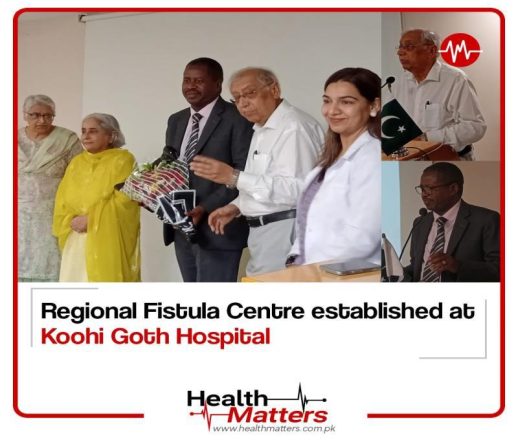
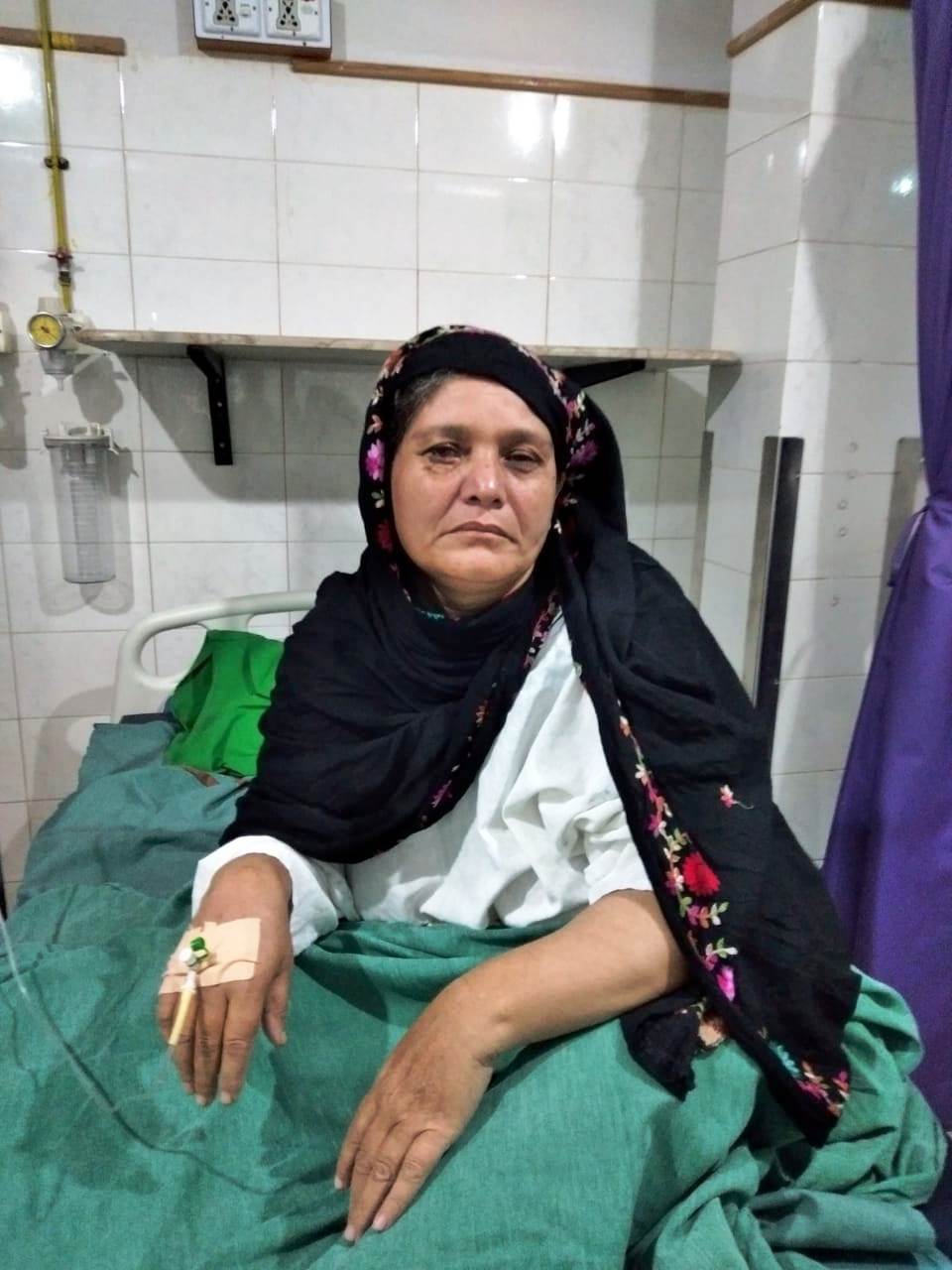
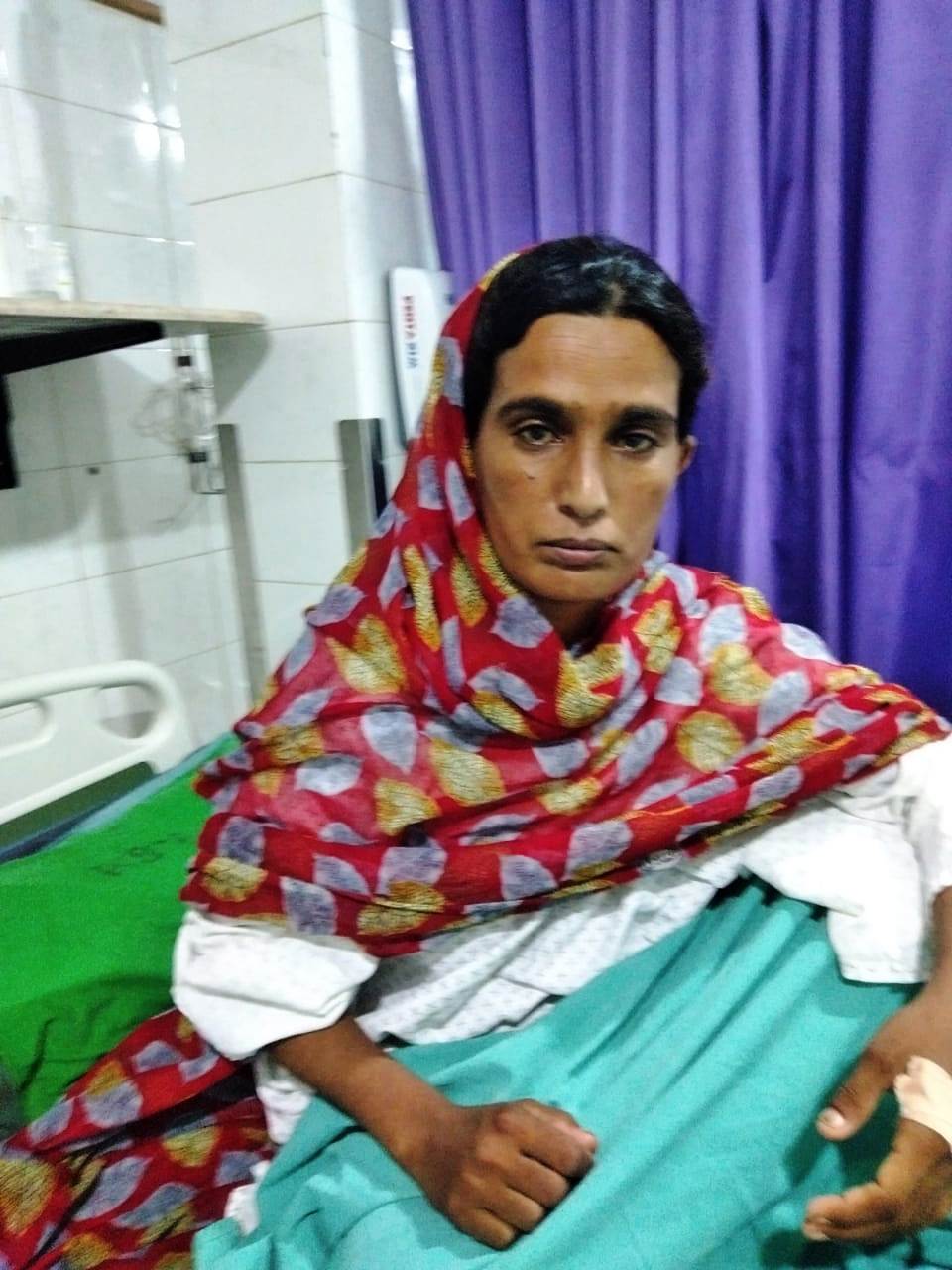
Obstetric fistula occurs when prolonged, obstructed labor—without timely access to emergency obstetric care—creates a hole between the birth canal and bladder or rectum, causing continuous leakage. Pakistan faces several structural challenges that increase the risk:
- Only 52% of births are attended by a skilled provider, leaving many women vulnerable during obstructed labor.
- An estimated 3,500 new fistula cases occur annually, according to a joint UNFPA–PNFWH study.
- Many women live in rural, impoverished, and isolated areas, where awareness is low and stigma is high.
- Pakistan’s maternal health system still struggles with low facility-based deliveries, shortages of skilled staff, and limited emergency obstetric and newborn care (only 9% of assessed facilities fully functional).
These gaps mean women often endure obstructed labor for days, resulting in stillbirth, chronic medical complications, and severe social isolation.
PNFWH’s role in fistula prevention and treatment
PNFWH is one of Pakistan’s leading fistula treatment and advocacy organizations, and one of the few consistently providing free, high‑quality surgical care. Its work spans clinical services, training, and community outreach.
Key contributions
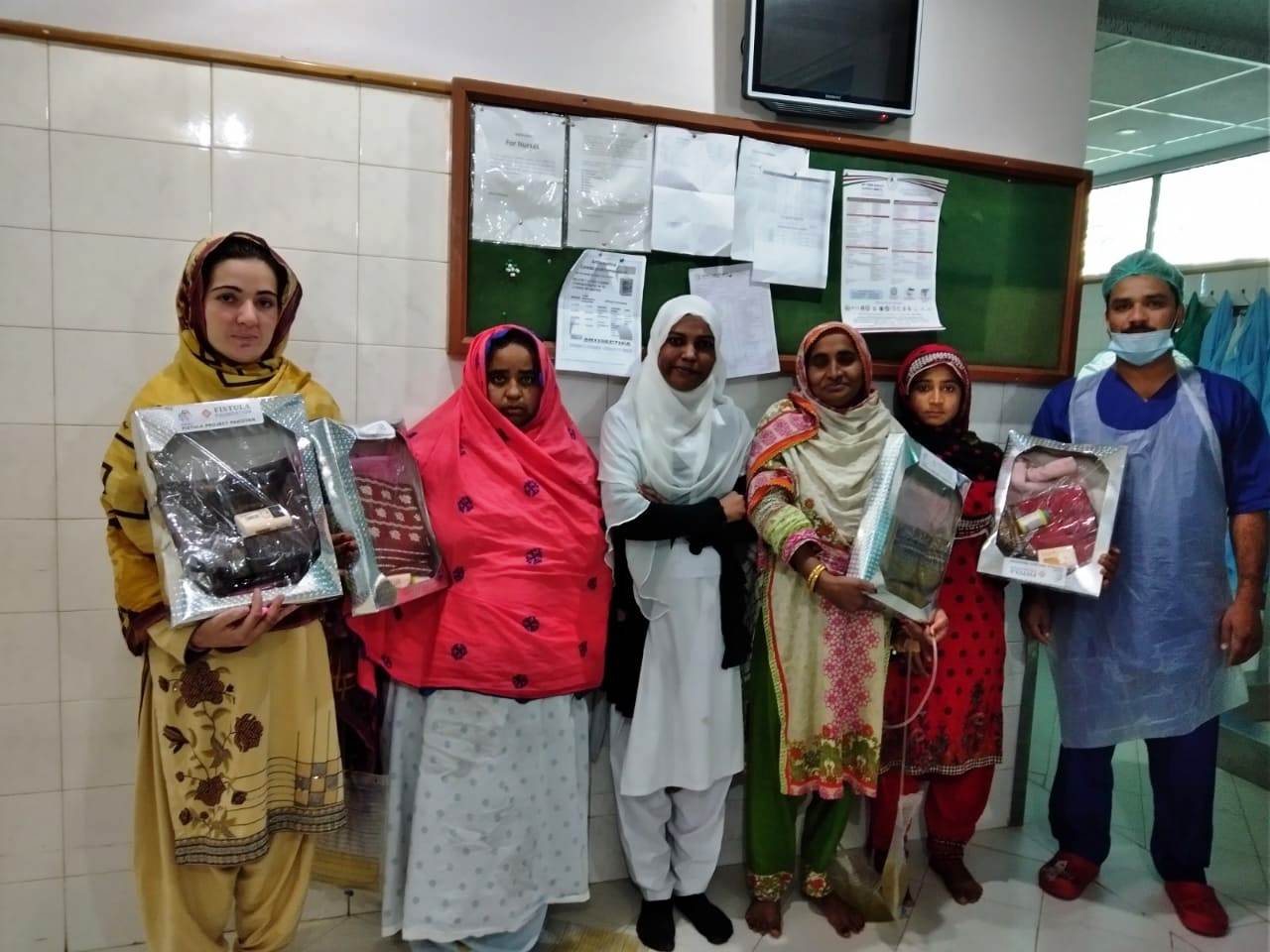
- Free fistula repair surgeries and compassionate post‑operative care, helping restore dignity and mobility to affected women.
- Nationwide outreach camps that identify hidden cases in remote areas and bring women to treatment centers.
- Training and mentoring surgeons, building Pakistan’s future workforce of skilled fistula repair specialists.
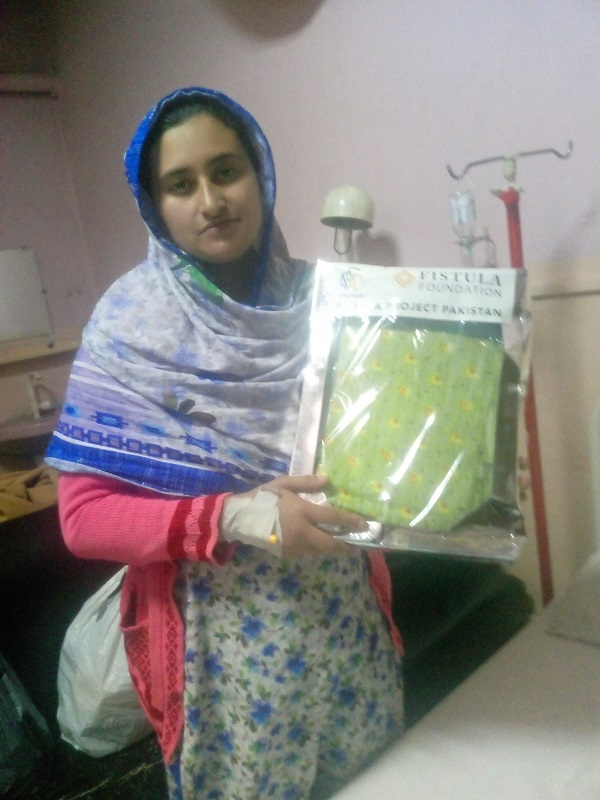
- Partnerships with UNFPA, Koohi Goth Hospital, and Fistula Foundation, expanding reach and strengthening national capacity.
- Awareness and community education, helping women understand that fistula is treatable and not a curse or personal failing.
PNFWH’s impact is substantial: more than 12500 women have received free, life‑changing surgeries, and thousands more have been reached through awareness and referral etworks.
Progress and ongoing challenges
Pakistan has made progress in fistula care over the past 15 years, with PNFWH at the center of this improvement. However, several challenges remain:
- Many former fistula centers are no longer fully functional, reducing national capacity.
- A shortage of trained and willing surgeons continues to limit access to timely repair.
- Rising rates of iatrogenic fistula (caused by surgical errors during C‑sections or hysterectomies) highlight the need for better surgical training.
- Persistent gaps in emergency obstetric care mean women still face delays in receiving life‑saving interventions.
Despite these barriers, PNFWH’s model—combining treatment, training, and community engagement—continues to strengthen Pakistan’s ability to prevent and manage obstetric fistula.
Why this work matters
Obstetric fistula is not just a medical condition; it is a marker of systemic inequality. Every repaired fistula represents:
- A woman regaining dignity and mobility
- A family restored
- A community educated
- A health system strengthened
PNFWH’s leadership ensures that Pakistan continues moving toward a future where no woman suffers from a preventable childbirth injury


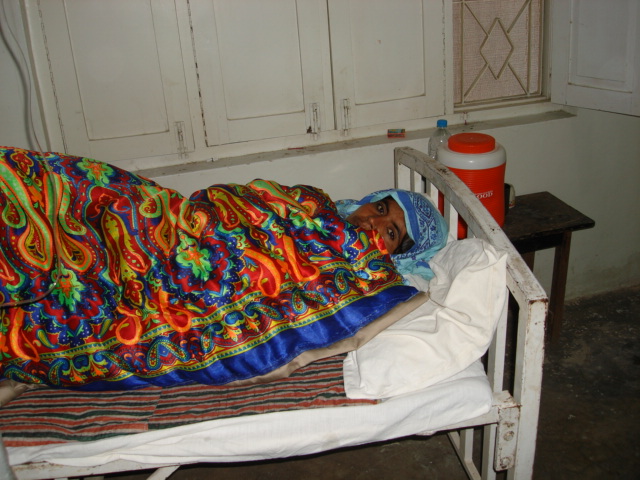


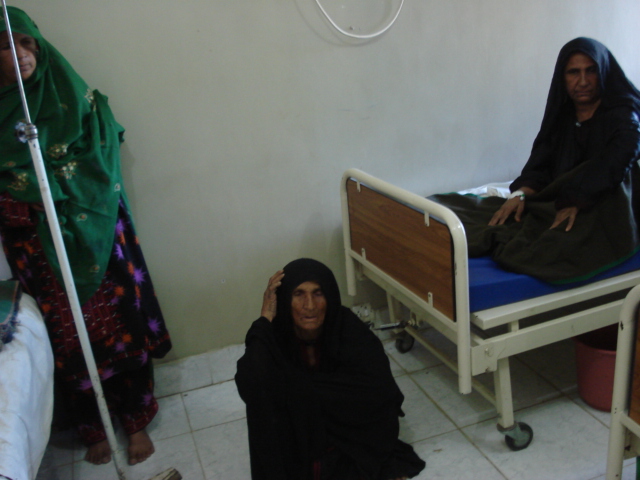











Regional Fistula Centers in Pakistan
Maternal & Child Care Centre
Pakistan Institute of Medical Sciences
Islamabad.
Prof. Dr. Sobia Luqman
Professor of Gynae/Obs,
Phone: 051-9260957
c/o: Ather Sayed: 0345-9741916
Fistula Centre, Peshawar
Gynae Unit,
Lady Reading Hospital,
Peshawar
Focal Person,
Dr. Tanveer Shafqat
c/o: Mr. Bilal: 0333-5045556
Urology / Gynae Department,
Ward No.8,
Nishter Medical College Hospital
Multan.
Dr.Rafique Anjum
c/o: Naseem Akhter: 0342-7073166
Quetta Hospital Quetta
Sandeman Provincial Hospital,
Dr. Anwar
Urologist
Dr. Haq Nawaz
Cell No.0333-3901260
C/o: Asher Javed, 0333-7856489
Isra University Hospital,
Hyderabad.
Dr. Pushpa Srichand
Consultant Gynaecologist
c/o: Amir Zai: 0333-2683796
0347-3213723
Ayub Teaching & Medical College
Abbottabad.
Prof. Dr. Zahida Parveen
Cell # 0300–5614933
c/o: Dr. Qurat-ul-Ain 0331-9117190
Koohi Goth Women Hospital
Deh Landhi, Bin Qasim Town,
Karachi.
Dr. Shershah Syed
Gynaecologist
Fistula Centre
c/o: Murad Ali (Haider Shah)
Cell # 0333-3026437, 0315-2558429
Gynaecologist, Central Park Teaching Hospital,
Newkana, Ferozepur Road,
Dr. Tayyaba Majeed,
Lahore General Hospital, Lahore.
Dr. Khizar Hayat,
Urologist
Cell # 0300-4315535
C/o: Rahat Bukhari: 0322-512636
Sheikh Zayed Women Hospital
Chandka Medical College,
Larkana. Gynae Ward
Dr. Fouzia Chandio
Prof. Dr. Shahida Sheikh
Cell # 0332-3507408
c/o: Nashra: 0332-3022048
Civil Hospital Karachi.
Referral Fistula Centre:
Dr. Sana Ashfaq
Cell # 0333-3026437
0315-2558429
Sindh Govt. Qatar Hospital
Karachi.
Dr. Raffat Sultana
Cell # 0333-3026437
0315-2558429
Gynae / Obs DHQ Hospital
Dera Ismail Khan
Dr. Naseem Saba
c/o: M. Bilal: 0333-5045556
Victoria Hospital, Bhawalpur
Dr. Sarfaraz Hassan Siyal
Cell # 0333-6154421